What to Expect During a Commercial Carpet Installation Project
People searching for commercial carpet installation are typically looking to understand the process and how local service providers can ensure a smooth, professional job.
Understanding what to expect during a commercial carpet installation project can help property owners feel more confident and prepared for the process. Whether updating an office space, retail store, or other commercial environment, knowing the typical steps involved ensures a smoother experience. Local contractors specializing in commercial carpet installation are experienced in managing these projects efficiently, providing guidance on what to anticipate at each stage and helping to minimize disruptions to daily operations.
For property owners exploring this topic, it’s practical to learn about the installation timeline, preparation requirements, and what the process entails from start to finish. Engaging with knowledgeable service providers can make a significant difference, as they bring expertise in handling the specific needs of commercial spaces. Keep reading to discover helpful insights on how local pros approach commercial carpet installation, so you can plan accordingly and ensure a successful project.
- Site preparation - when a business needs to clear and prepare a space for installation, local contractors assess the area and ensure it’s ready for new carpet.
- Carpet removal - if existing flooring needs to be removed before new installation, service providers handle the safe and efficient extraction process.
- Subfloor inspection - during a commercial carpet installation, pros evaluate the subfloor to identify any issues that could affect the new carpet’s performance.
- Carpet installation - when a business is upgrading or replacing old carpet, local pros expertly lay the new flooring to ensure proper fit and durability.
- Cleanup and disposal - after installation, service providers typically handle debris removal and ensure the work area is clean and ready for use.
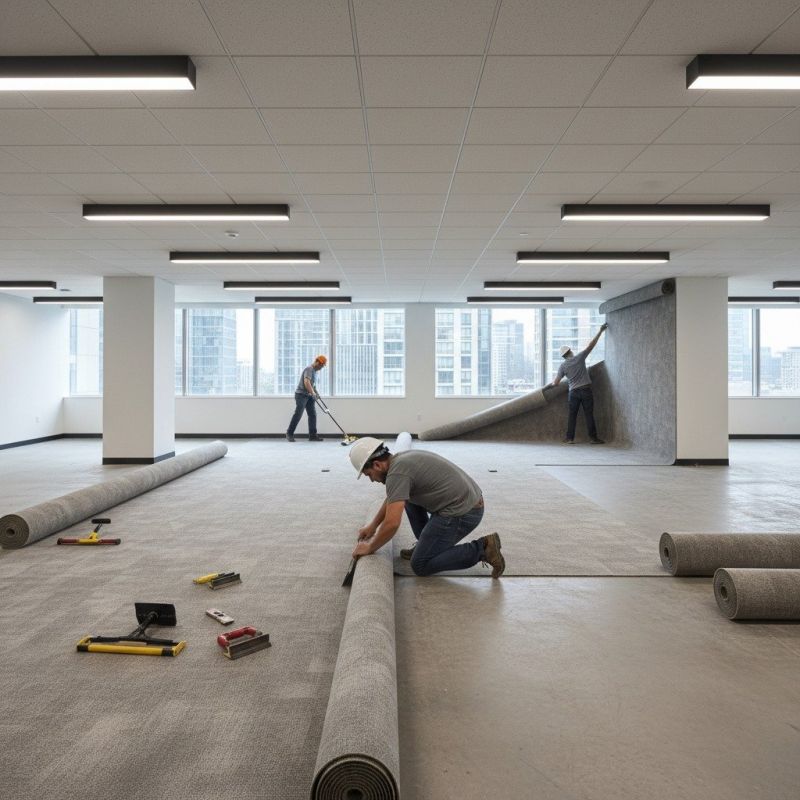


When people search for what to expect during a commercial carpet installation project, they are often trying to understand the overall process involved in upgrading or replacing flooring in a business or public space. This includes gaining insight into the different stages of the project, from initial planning and preparation to final installation. Homeowners or property managers want to know how long the work might take, what kind of disruptions could occur, and what the finished result will look like. Understanding these details helps them plan accordingly and ensures the project aligns with their goals for a clean, professional appearance and durable flooring solution.
This topic also relates to various problems or plans that property owners may have. For example, a business might be preparing to improve the look and functionality of a retail store, office, or hospitality space. They could be replacing worn-out carpets that no longer meet safety or aesthetic standards. Others might be expanding their facilities or renovating existing spaces, requiring new flooring that can withstand high traffic or specific environmental conditions. Knowing what to expect during a commercial carpet installation project helps these property owners coordinate other aspects of their renovation or operations, minimizing downtime and unexpected surprises.
The types of properties that typically come up in discussions about commercial carpet installation include retail stores, office buildings, medical facilities, restaurants, hotels, and industrial spaces. These properties often have large open areas, hallways, or multiple rooms that require durable, commercial-grade carpeting. Each property type presents unique considerations, such as the level of foot traffic, cleanliness standards, or aesthetic requirements. Local service providers who specialize in commercial carpet installation understand these differences and can advise on the best materials and installation methods suited for each property type, ensuring a smooth and effective project.
Understanding what to expect during a commercial carpet installation project also involves recognizing the role of local contractors. These professionals bring practical experience in handling the specific demands of commercial spaces, including site preparation, material handling, and efficient installation techniques. They work to minimize disruptions to daily operations and ensure the project is completed to professional standards. Engaging with local pros allows property owners to access tailored solutions for their specific property type and needs, making the process more predictable and aligned with their overall plans for space improvement.
Flooring Removal Services - these projects involve safely removing existing flooring materials, a skill that is essential for preparing surfaces during commercial carpet installation.
Subfloor Preparation Projects - ensuring a smooth and stable surface for new carpet requires expertise in subfloor repairs and leveling, similar to the planning involved in carpet installation.
Interior Renovation Projects - renovating commercial spaces often includes installing new flooring, requiring coordination of planning, tools, and surface preparation similar to carpet installation.
Commercial Flooring Installation - other types of commercial flooring, such as vinyl or tile, share planning and surface preparation techniques with carpet installation projects.
Carpet Padding and Underlay Services - installing padding or underlay is a key step in carpet installation, involving similar skills in surface assessment and material handling.
Space Planning and Layout Design - designing the layout for commercial spaces includes planning for flooring, which aligns with the detailed planning needed for carpet installation projects.
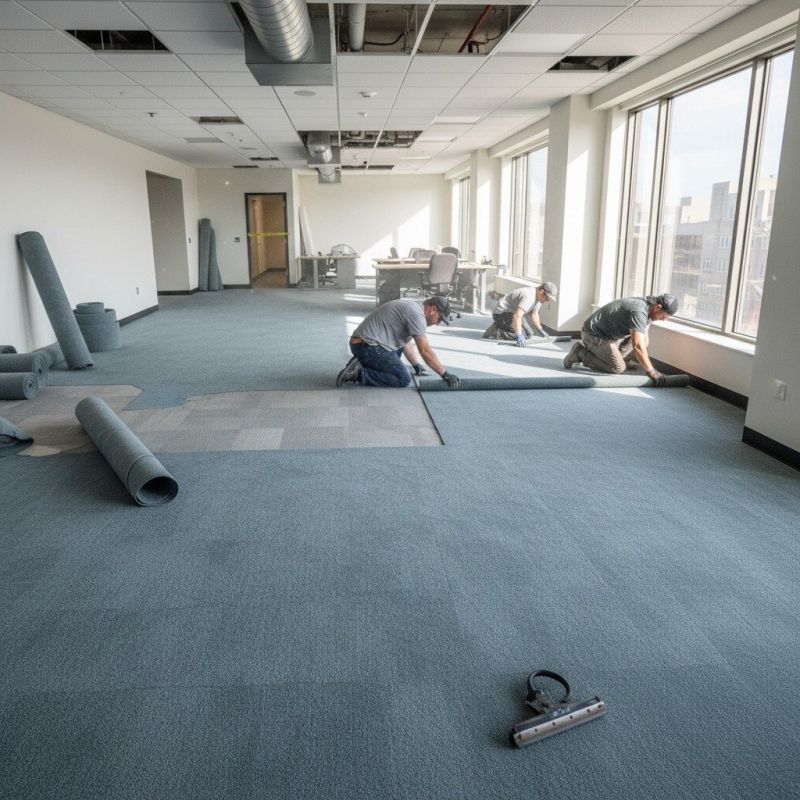
When comparing service providers for commercial carpet installation, it is important to consider their experience with similar projects. Homeowners should inquire about how many commercial installations each contractor has completed and whether they have worked with spaces comparable in size and type to their own. A contractor’s familiarity with different carpet materials, subfloor conditions, and building layouts can influence the quality and efficiency of the installation process. Choosing a local contractor with a proven track record in handling projects similar to the one at hand can help ensure the work proceeds smoothly and meets expectations.
Clear written expectations are essential when evaluating potential service providers. Homeowners should seek detailed proposals that outline the scope of work, materials to be used, and the estimated timeline for completion. Well-documented expectations help prevent misunderstandings and provide a basis for comparing different contractors’ approaches. Reputable local pros typically communicate their process transparently and are willing to answer questions about the steps involved in the installation, ensuring that homeowners understand what to anticipate during the project.
Reputable references and strong communication are key indicators of a reliable commercial carpet installation service provider. Homeowners can ask for references from previous clients who had similar projects completed. Contacting these references can provide insights into the contractor’s professionalism, reliability, and quality of work. Additionally, effective communication throughout the process-such as prompt responses to inquiries and clear updates-can help build confidence in the contractor’s ability to manage the project efficiently. Prioritizing these qualities can lead to a smoother experience and a successful outcome for the installation.
Property owners often search for what to expect during a commercial carpet installation project when they are planning practical projects around their homes and businesses. Local pros provide Commercial Carpet Installation services for everyday jobs and straightforward project options.
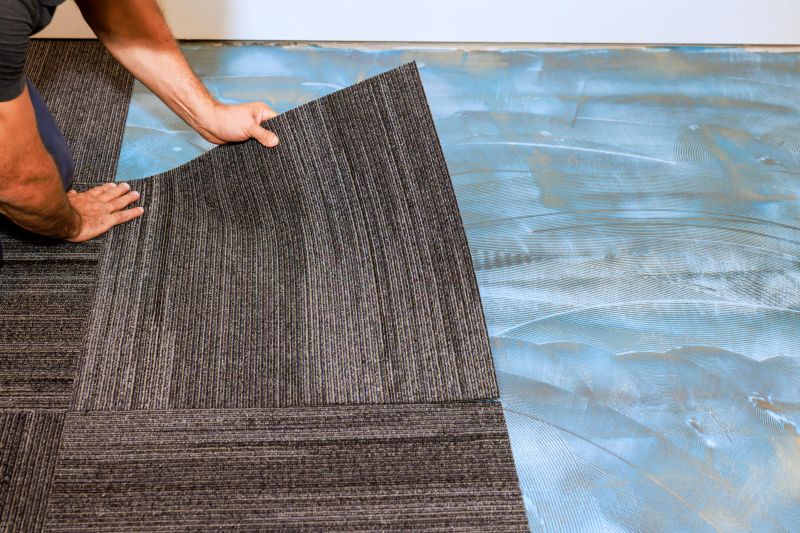
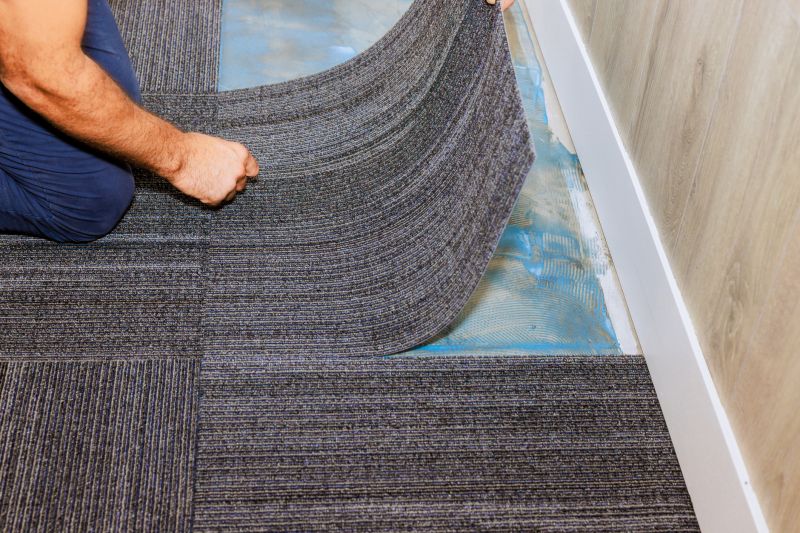
During a commercial carpet installation project, property owners can typically expect a series of practical steps that help ensure the job is completed smoothly. Once the local contractors arrive, they often start by preparing the space, which may involve removing old flooring, furniture, or debris to create a clean work area. Throughout the process, property owners might notice the installation team working efficiently to lay out the new carpet, trim it to fit, and secure it properly. It’s common for installers to take care of any necessary subfloor repairs or adjustments beforehand, helping to ensure the new carpet will look good and perform well over time.
Many property owners look up information about commercial carpet installation to better understand what happens during the project and what to expect in terms of disruption. They might be concerned about how long the work will take or how it will impact daily operations. Local service providers are experienced in managing these projects with minimal disturbance, often working within a set schedule and taking steps to protect surrounding areas. Knowing what to expect can help property owners feel more prepared for the installation process and confident in choosing skilled local contractors to handle the job efficiently.
What should I expect during a commercial carpet installation project? During a commercial carpet installation, local contractors typically prepare the space by clearing and cleaning the area, then carefully lay out and secure the new carpet to ensure a smooth, professional finish.
Will there be any disruption to my business during installation? Yes, installation may cause some temporary disruptions, such as noise and limited access to certain areas, but experienced service providers aim to minimize impact on daily operations.
How do local pros handle the preparation of the space before installing the carpet? They usually inspect the subfloor for stability, clean the surface thoroughly, and make any necessary repairs to ensure proper adhesion and a long-lasting result.
What types of commercial carpet installation methods do local contractors use? They often use methods such as stretching, glue-down, or tile installation, depending on the type of carpet and the specific needs of the space.
What happens after the carpet installation is complete? After installation, local service providers typically perform a final inspection, clean the area, and may provide guidance on how to care for the new carpet to maintain its appearance and durability.
Preparing the space - property owners should clear the area of furniture and obstacles to ensure a smooth installation process handled by local contractors.
Choosing the right carpet - selecting appropriate materials and styles helps align the project with the property's needs and aesthetic preferences.
Understanding installation procedures - knowing what steps are involved allows property owners to plan for any temporary disruptions during the work.
Post-installation care - following recommended maintenance practices ensures the new carpet remains in good condition after installation by local service providers.
If you are thinking about what to expect during a commercial carpet installation project for a property, this guide is meant to help you understand this topic, the typical project types, and how different options might fit your plans.
When you are ready, you can use the quote form on this page to share a few details about your project. From there, local pros can review the basics and follow up with options that match what you have in mind.